
Assimilasjon – A Complete Guide to Meaning, Process, and Impact
Assimilasjon refers to the process where individuals or groups gradually adopt the culture, language, behaviors, or social norms of another group. It is often used when discussing immigration, cultural transitions, language learning, and social integration. While assimilation can create unity, it can also raise discussions about identity, traditions, and belonging. Understanding how and why assimilation happens helps societies become more inclusive and individuals feel more confident navigating cultural change.
The Origins and Background of Assimilation
Historical Roots
Assimilation has been part of human societies for thousands of years. When people travel, migrate, or interact with new communities, they naturally pick up new habits, languages, and customs. Over time, many cultures merge, creating blended identities influenced by multiple traditions.
Modern Context
Today, assimilation is most commonly discussed in the context of immigration. Newcomers adapt to their host country’s lifestyle, from language to social rules. Some adapt fully, while others keep a mix of their original and new culture. This variation creates many forms of assimilation.
Types of Assimilasjon
Cultural Assimilation
Cultural assimilation occurs when individuals adopt the cultural traits of a new group. This includes food choices, clothing style, celebrations, and lifestyle habits. For many, it happens gradually and naturally.
Linguistic Assimilation
Language assimilation is one of the strongest indicators of integration. People may start speaking the dominant language fluently, adopt accents, or adjust vocabulary to fit their new environment.
Social Assimilation
Social assimilation happens when individuals form friendships, relationships, and community bonds within their new society. They participate in local traditions and become part of daily social life.
Structural Assimilation
This form involves participation in institutions like schools, workplaces, and political systems. It indicates deeper integration beyond cultural habits.
Identity Assimilation
Identity assimilation refers to how people feel internally. They may begin identifying as part of the new culture while maintaining parts of their original identity.
Why Assimilasjon Happens
Assimilation is shaped by different factors depending on personal goals, social environment, and community expectations.
Desire for Belonging
People naturally want to fit in. Learning local customs, language, and social rules helps them feel accepted and build confidence.
Practical Needs
Adopting new cultural practices often makes life easier, especially when it comes to communication, work opportunities, education, and daily interactions.
Social Pressure
Sometimes, individuals face pressure to blend in, whether consciously or unconsciously. This can come from society, workplaces, or peer groups.
Generational Influence
Children of immigrants assimilate faster than adults. They learn the local language early, attend local schools, and grow up in the new community, shaping their identity differently from their parents.
Benefits of Assimilasjon
Better Communication
Learning the local language and customs improves communication and reduces misunderstandings.
More Opportunities
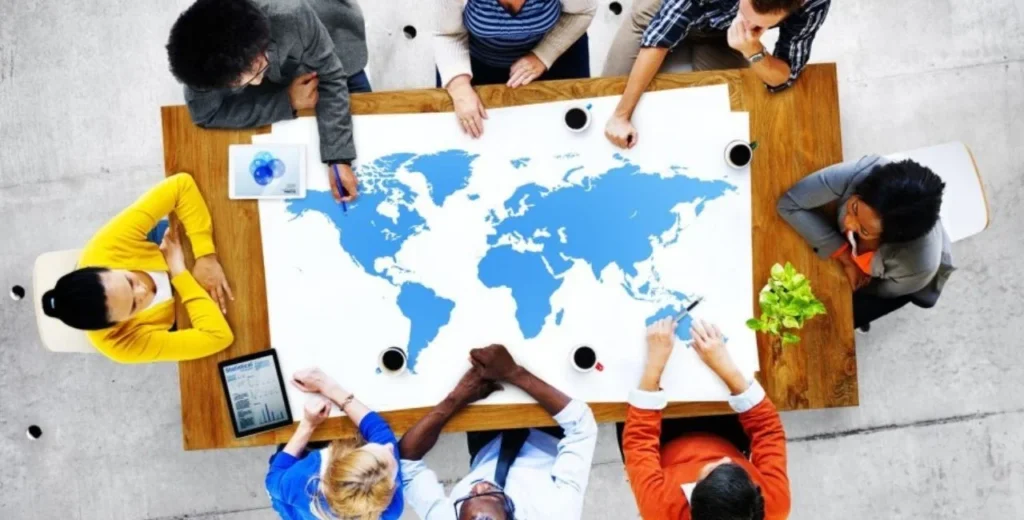
Assimilated individuals often gain better access to jobs, education, and social networks.
Stronger Community Bonds
Shared norms create unity, helping people build friendships and strengthen communities.
Personal Growth
Exposure to a new culture expands perspective and enriches personal identity.
Challenges Linked to Assimilasjon
Despite its benefits, assimilation can also bring emotional and social challenges.
Loss of Cultural Identity
Some individuals feel they must give up parts of their heritage. This can create confusion or sadness.
Family Differences
Generations may assimilate at different speeds. Children might adopt the new culture faster, creating gaps in communication or values.
Cultural Pressure
People might feel they must hide parts of their identity to be accepted, leading to stress.
Balancing Two Worlds
Many individuals try to maintain their original culture while adapting to a new one. Finding the right balance can be difficult.
Assimilation vs Integration – Important Differences
Assimilation means blending into a new culture completely. Integration means participating in a new society while keeping one’s own cultural identity. Many modern communities prefer integration because it respects diversity while still supporting unity.
How Assimilasjon Happens in Stages
Stage 1 – Contact
Individuals come into contact with a new culture through migration, travel, work, or education.
Stage 2 – Adjustment
They begin understanding the new culture’s expectations, language, and social rules.
Stage 3 – Adaptation
Individuals adopt behaviors that help them function smoothly in the new environment.
Stage 4 – Acceptance
They become more comfortable and feel emotionally connected to the new culture.
Stage 5 – Identity Formation
They develop a blended identity, combining aspects of old and new cultures.
Real-Life Examples of Assimilasjon
Assimilation is seen worldwide, from students studying abroad to families moving for work. Children in immigrant families often speak the local language fluently, join school activities, and adopt local habits. Adults sometimes adopt workplace culture, celebrate local holidays, or follow local customs while maintaining traditions from their home culture.
Language Assimilation and Its Importance
How Language Shapes Belonging
Language is a key part of social connection. Being able to express oneself confidently builds trust and friendships.
The Role of Schools and Workplaces
Schools help children assimilate quickly, while workplaces encourage adults to learn communication styles and cultural expectations.
Challenges in Language Adaption
Pronunciation, grammar, and vocabulary can be difficult. However, consistent exposure speeds up learning.
Cultural Assimilation in Daily Life
Food and Lifestyle
People may adopt local foods, dress styles, and leisure activities. These changes often occur gradually through exposure.
Celebrations and Traditions
Celebrating local holidays or participating in community festivals helps individuals feel more included and connected.
Social Behavior
Learning how people greet each other, communicate issues, or handle conflicts is part of cultural assimilation.
The Role of Media in Assimilasjon
Movies, TV, music, and social media expose individuals to cultural values and language patterns. This speeds up assimilation by providing constant contact with the dominant culture.
How Communities Can Support Healthy Assimilasjon
Offering Language Support
Providing language classes helps newcomers integrate smoothly.
Encouraging Cultural Exchange
Events that celebrate multiple cultures create unity and mutual respect.
Reducing Stereotypes
When societies avoid prejudgments, individuals feel safer adopting parts of the local culture.
Promoting Respect
Respecting both original and new cultures leads to healthier assimilation and personal comfort.
Balancing Assimilation with Cultural Identity
Assimilation does not mean abandoning heritage. Many people successfully balance both cultures by speaking multiple languages, celebrating diverse traditions, and teaching their children the importance of both backgrounds. This balance creates stronger, more confident identities.
The Future of Assimilasjon in a Global World
With globalization, cultural mixing has become common. People move across borders for education, jobs, and safety, creating diverse societies. Assimilation will continue evolving, influenced by technology, migration trends, and global communication. Future generations may experience even more blended cultural identities.
Final Thoughts on Assimilasjon
Assimilasjon is a complex process influenced by social, cultural, emotional, and practical factors. It offers opportunities for growth, connection, and belonging but also presents challenges around identity and adjustment. When individuals and communities work together to support mutual respect and understanding, assimilation becomes a positive and empowering experience.